
L’Abeille of RENAISSANCE
N°2 - June2026
“L’Abeille,” pronounced [la‑bɛj], means “the bee”- a symbol of diligence and collective effort. Like a hive, the Renaissance Fusion team works to build a Sun‑inspired fusion machine- even a honeycomb cell echoes our stellarator’s shape! In this newsletter, you’ll find our perspective on the latest fusion developments and updates from us. Enjoy the read!
Don't miss the key highlights
Industry and Fusion Frontier
Recent developments across Europe, Asia, and North America have reinforced a trend we have been observing for some time: the future leaders of fusion may not be determined by who reaches plasma first, but by who controls the supply chains, manufacturing capabilities, regulatory frameworks, and enabling technologies required to deploy fusion at scale.
Stellarators Gain Momentum As The Industry’s Preferred Fusion Path
The stellarator ecosystem continues to gather momentum globally.
EUROfusion expanded its work on HELIAS power plant foundations, addressing key scientific and engineering uncertainties required for future reactor deployment. Switzerland achieved first plasma in Polaris, its first stellarator demonstration experiment, while Spain continues to build upon decades of stellarator expertise through WISER and TJ-II.
China is moving aggressively. The country announced progress on its first quasi-axisymmetric stellarator and launched a dedicated stellarator industrial base in Hangzhou that combines fusion development with AI infrastructure and advanced manufacturing. The initiative could ultimately attract up to €2.5 billion of investment.
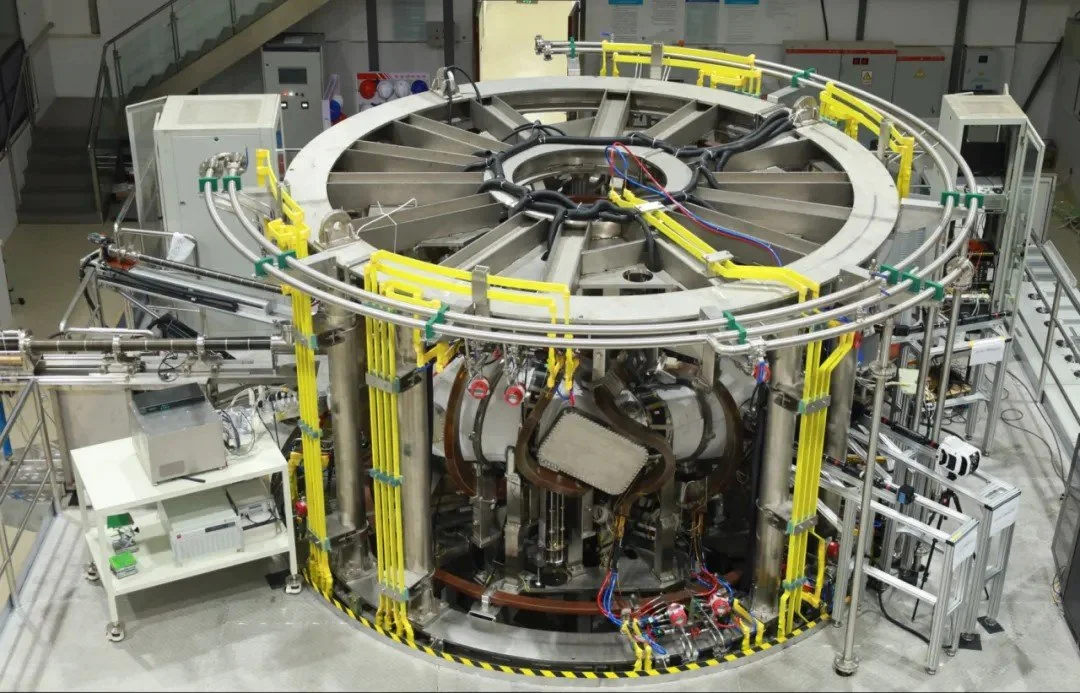
@Southwest Jiaotong University
At the same time, funding continues to flow into stellarator developers. Thea Energy raised $100 million, Helical Fusion secured support from the Tokyo Metropolitan Government for liquid metal wall development, and Stellarex signed a collaboration agreement with UKAEA.
The stellarator is no longer a niche alternative. It is rapidly becoming one of the most active and well-funded devices in the fusion industry.

Governments Double Down on Industry Financing
One of the clearest signals comes from governments themselves.
The IAEA continues to expand its work beyond scientific coordination into regulation, licensing, decommissioning, workforce development, AI-enabled plasma control, and commercialization readiness. Fusion is increasingly being discussed as an energy technology that must eventually integrate into industrial systems and power grids rather than remain confined to research laboratories.
Across Europe, countries are adopting increasingly ambitious industrial strategies.
Germany formally incorporated fusion into its national High-Tech Agenda, with dedicated fusion hubs, HTS manufacturing programs, fuel-cycle development, materials research, and plans for future commercial deployment.
Spain announced a €500 million investment into the WISER stellarator program while strengthening its fusion ecosystem through industrial partnerships and AI-enabled research programs.
The UK continues to position itself as a global fusion hub through UKAEA's 2026-2030 roadmap, supplier qualification facilities, tritium infrastructure, materials testing capabilities, and industrial ecosystem development. The roadmap also highlights the emergence of regional fusion clusters in Oxford, Munich, Boston, Shanghai, Hefei, and Tokyo, where talent, capital, supply chains, and research capabilities increasingly concentrate.
The language is changing. Governments are talking less about plasma physics and more about manufacturing, supply chains, workforce development, industrial competitiveness, and energy sovereignty.
Fusion is no longer positioned solely as a research program. It is increasingly being treated as a strategic industry.
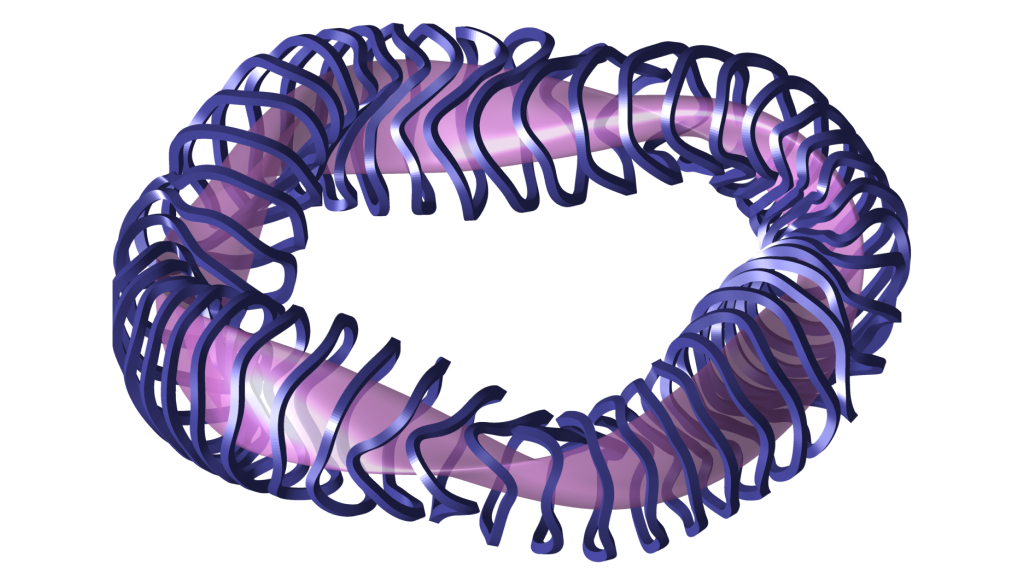
@WISER
Fusion Companies Accelerate Commercial Activity Before Power Plants
Another notable trend is the rise of dual-business models.
A growing number of fusion companies are expanding beyond reactor development to pursue commercial opportunities in adjacent markets.
SHINE Technologies is scaling medical isotope production, Zap Energy is commercializing liquid metal technologies, and several fusion companies are increasingly focused on supplying enabling technologies to external markets.
The funding environment remains active. Beyond Thea Energy, Focused Energy secured $240 million, and Nova FusionX raised approximately €90 million while positioning its technology for future AI infrastructure and industrial energy applications. Strategic partnerships and industrial consortia continue to emerge across the US, Europe, and Asia.
Commercialization is no longer viewed as something that happens after fusion arrives. Increasingly, companies are creating value today through technologies that will ultimately enable fusion deployment tomorrow.

Supply Chains Are Becoming Strategic Assets
As fusion moves toward commercialization, supply chains are receiving unprecedented attention.
New lithium-6 enrichment initiatives continue to emerge globally. Competition from China (Lifusion), and the US (Licube3) in liquid metal technologies intensifies, making it increasingly urgent for Europe to secure supply of the material and strengthen its position in the enrichment market. These developments also reflect growing awareness that future fusion deployment will require entirely new fuel-cycle infrastructure.
High-temperature superconductors remain one of the most strategically important segments of the fusion supply chain. Consolidation and investments continue in the sector, with the acquisition of THEVA by Subra and new performance milestones achieved by SupreMag. However, manufacturing capacity remains concentrated in Asia while Europe continues to have limited domestic production capability despite the surging demand not only for fusion, but also from power grids, data centers, offshore wind, and quantum technologies. Europe is building an electrified future around a material it cannot yet produce at scale.
The scale of the supply-demand gap remains significant: global top-tier HTS tape production currently stands at approximately 5,000 km per year, while a single SPARC demonstration reactor alone requires an estimated 10,000 km — meaning that as we stands now one project consumes twice the entire annual output of the world's leading producers!
Looking further ahead, cumulative fusion industry demand will exceed 200 million metres of tape by the 2030s. Cost remains an equally acute constraint: commercial tape (REBCO based) is currently priced at around $100/kA-m, against a target of $10/kA-m for fusion systems to reach commercial viability. Without a step-change in manufacturing capacity, European and Western fusion programs face compounding exposure to a supply chain that remains overwhelmingly concentrated in Asia.
Record Number Of Patents Across The Ecosystem
Innovation remains strong across the fusion value chain.
Between April and May alone, more than 100 fusion-related patents were published globally , including developments in stellarator coils, HTS systems, divertors, superconducting components, and manufacturing methods. At the same time, AI continues to become embedded in fusion development through initiatives such as IAEA’s Fusion Data Lake, IBM's collaboration with UKAEA, and the launch of TokaMind, a dedicated large language model for fusion research.
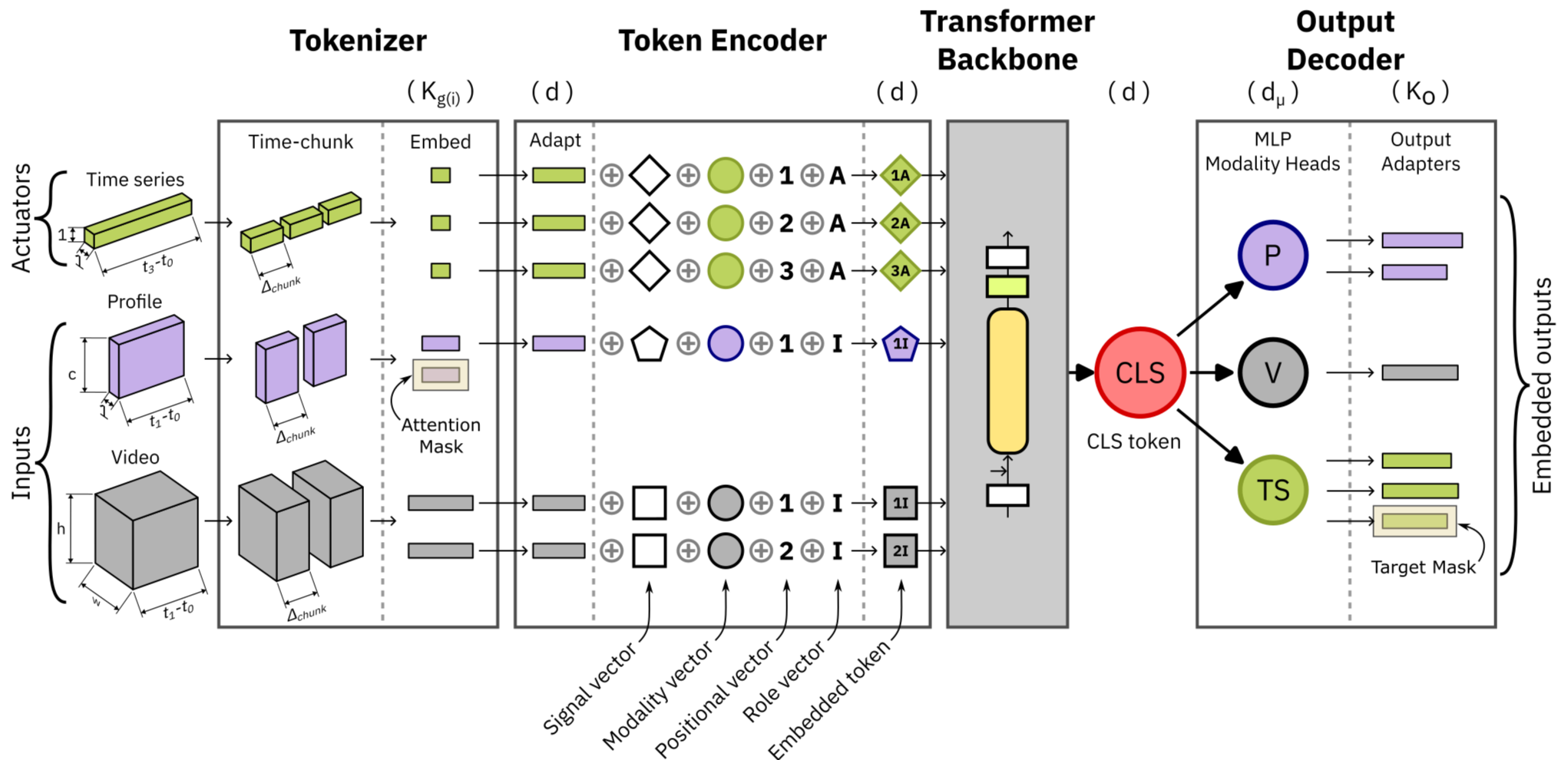
@TokaMind
Why These Trends Matter
Taken individually, each of these developments may appear incremental: a new funding round, a government roadmap, a new stellarator design, progress in lithium enrichment, or advances in superconductors.
Taken together, they reveal something much larger.
The fusion industry is beginning to converge around a common reality: the limiting factors are no longer purely scientific. Increasingly, bottlenecks are industrial.
Governments are investing in fusion supply chains, not only fusion science. The UK is building supplier qualification facilities and industrial clusters. Germany is investing in HTS manufacturing, fusion materials, and fuel-cycle technologies. China is coupling stellarator development with AI infrastructure and large-scale manufacturing capacity. New companies are emerging around lithium isotope enrichment, fusion materials, liquid metals, and superconductors.
This is consistent with a broader industry transition. As fusion moves from laboratory experiments toward pilot plants and commercial deployment, value creation is gradually shifting from proving the physics to industrializing the technologies that make fusion possible.
Two bottlenecks stand out across nearly every magnetic confinement roadmap: access to high-temperature superconductors and access to a scalable fuel cycle. Every high-field magnetic confinement system requires HTS magnets, while every deuterium-tritium fusion pathway ultimately depends on tritium breeding and lithium supply.
This convergence sits at the heart of Renaissance Fusion's strategy.
Rather than focusing exclusively on a single reactor design, Renaissance Fusion is building technologies that address these industry-wide constraints: scalable high-temperature superconductors, liquid metal systems, and long-term fuel-cycle solutions. The company's strategy is built around enabling the fusion industry first and capturing value later as the market scales. By monetizing critical technologies before fusion power plants exist, Renaissance Fusion aims to build the industrial foundations required for fusion deployment at scale while preserving the option to integrate those technologies into its own simplified stellarator platform in the next decade.
This approach reflects a broader conviction: Europe hosts world-class research institutions and has the potential to build manufacturing at scale to transform scientific leadership into commercial leadership, but bottlenecks in the domestic supply chains and lack of critical materials and key components could jeopardize its potential leadership.
The developments highlighted throughout this review suggest that the industry is moving in exactly that direction.
The race to fusion is increasingly becoming a race to industrialize fusion.
The companies and countries that master manufacturing, supply chains, critical materials, enabling technologies, and deployment infrastructure may ultimately shape the future of fusion more than those that simply reach the next scientific milestone first.
Renaissance Fusion was built around this conviction. By focusing on the critical bottlenecks that will determine whether fusion can scale—high-temperature superconductors, fuel-cycle technologies, and industrially manufacturable reactor architectures—we believe Europe has an opportunity not only to participate in the fusion future, but to help build the industrial foundations that will allow the entire industry to thrive.
Visit our site during FusionX:Europe!
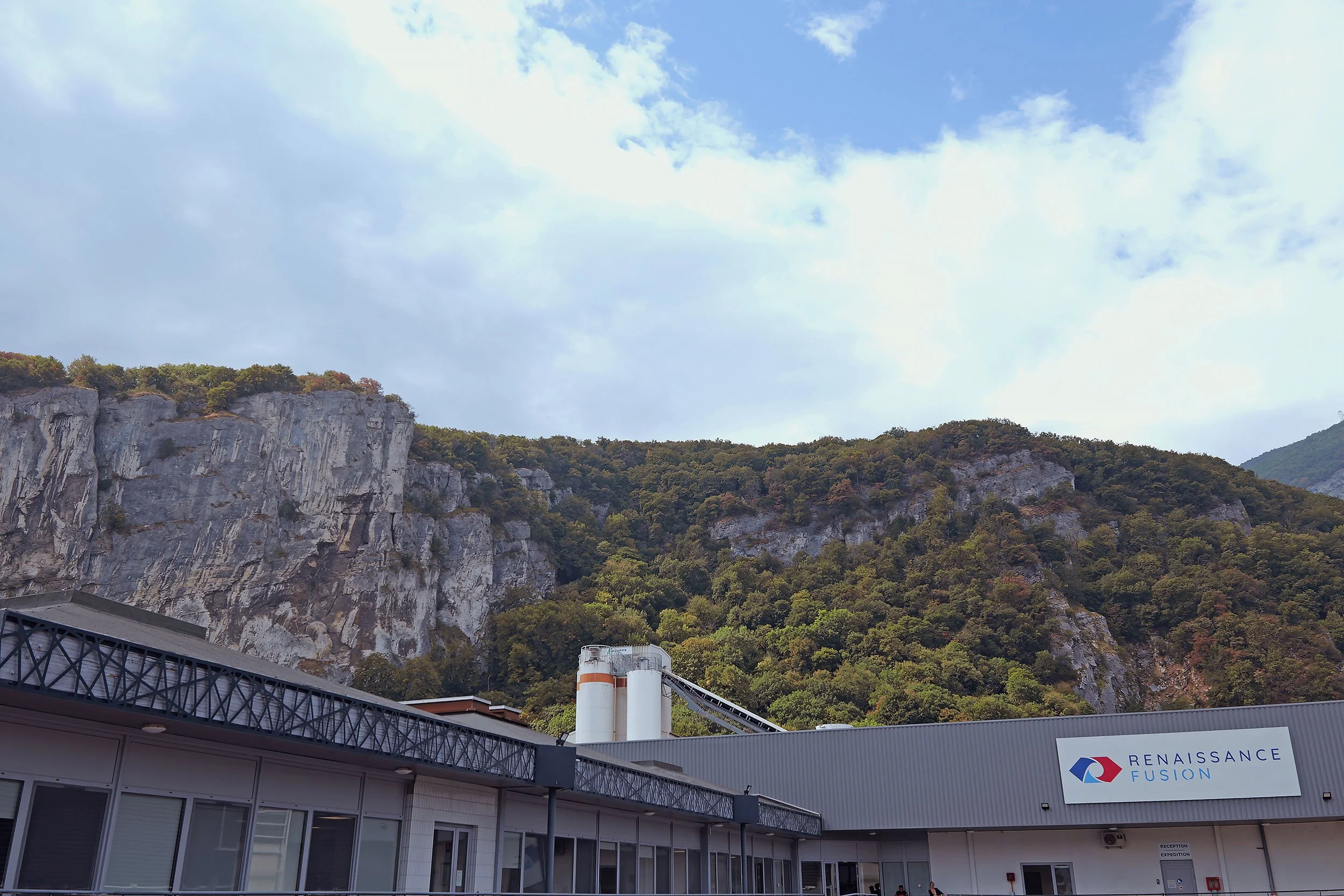
We are thrilled to announce that on September 24, 2026, we will host the first edition of FusionX: Europe in our hometown of Grenoble, France, in partnership with the FusionX Group.
This year is especially meaningful: Grenoble has been named European Capital of Innovation by the European Innovation Council—making it the perfect backdrop to celebrate Europe’s progress toward the industrialization of fusion.
Join us for a unique gathering of pioneers shaping the future of energy—and step inside the journey yourself. Attendees will have exclusive access to visit our site in Fontaine, including our HTS pilot line, at the forefront of next-generation energy technologies.
Save the date — registrations will open soon. We can’t wait to welcome you.
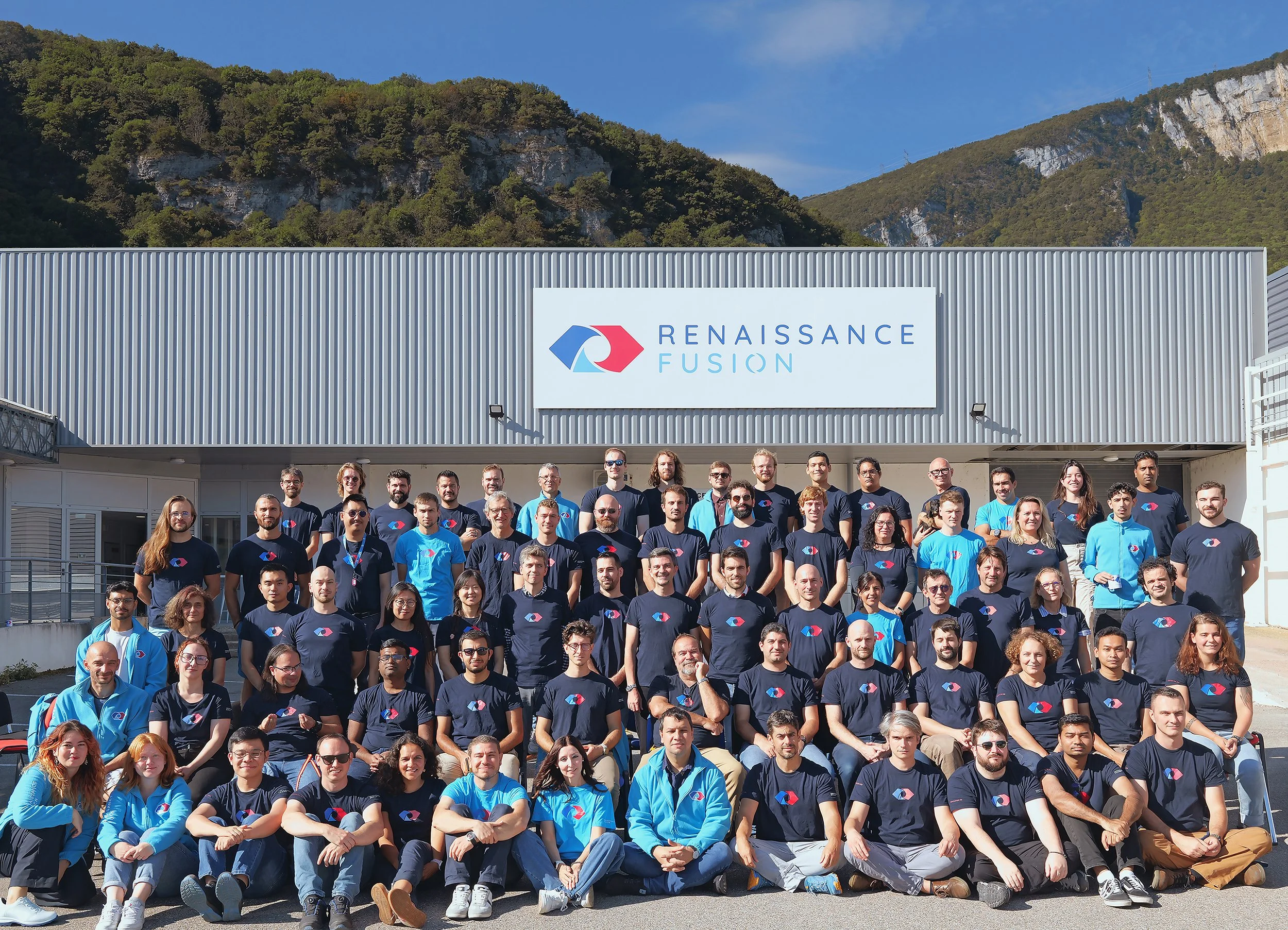
Looking for a career in fusion?
Discover more



Looking for an investment
or partnership opportunity?