
The Senior Technical Advisor Committee (STAC) provides guidance on strategic, scientific, and technical aspects, research priorities, and technological advancements, to help ensure that Renaissance Fusion’s initiatives remain at the forefront of innovation while addressing global energy challenges. Its members are internationally renowned professionals specializing in our three technology pillars: fusion science, HTS, and liquid metals.
Senior Technical Advisor Committee
Fusion Science experts
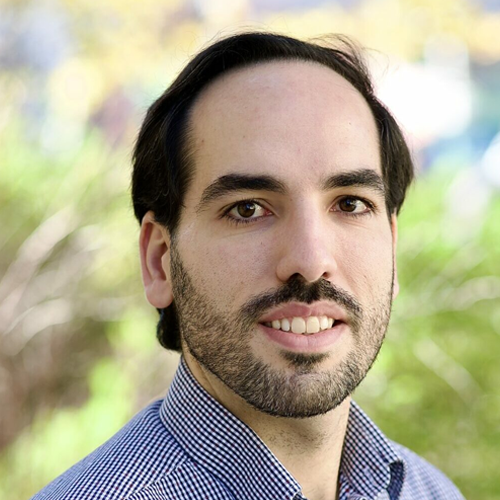
Rogerio JORGE
-
Rogerio is an Physics Professor at the University of Wisconsin-Madison interested in fusion plasma research and three-dimensional magnetic fields. He earned his Ph.D., with honors, jointly at the Instituto Superior Tecnico (IST) in Lisbon, Portugal, and at EPFL Lausanne, Switzerland. For that, he received the 2020 EPS-PPD Ph.D. Research Award and the EPFL Physics Doctoral Thesis Award. From 2019-2021 he was a Postdoctoral Researcher at the University of Maryland, then a Post-doc at the Max-Planck Institute for Plasma Physics in Greifswald, Germany, and an Alexander von Humboldt Research Fellow. More recently, he has been an Invited Assistant Professor at IST, and the Principal Investigator of a EUROfusion Enabling Research Grant and an FCT CEEC Grant. Rogério is also a member of the “Simons Collaboration on Hidden Symmetries and Fusion Energy”, and an invited columnist at the newspaper “Observador”, writing about science, technology, and the economy.
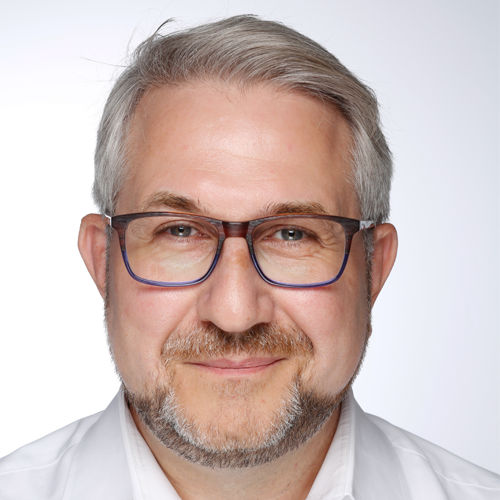
Ralf KAISER
-
Ralf is the Senior Coordinator of Programs and Advancement at the International Center for Theoretical Physics (ICTP) in Trieste, a Fellow of the Royal Society of Edinburgh, and the founder of the award-winning Lynkeos Technology spin-off from the University of Glasgow, commercializing cosmic-ray muon imaging of nuclear waste containers. After studying physics and mathematics in Münster, Germany, he obtained his PhD from Simon Fraser University, Vancouver, based on research at the Canadian National Laboratory TRIUMF. After a post-doc at the German National Laboratory DESY, he became a faculty in Nuclear Physics at the University of Glasgow in 2001. His research focused on the fundamental structure of matter and the detectors required for that research. In 2010 he joined the IAEA as Head of the Physics Section, responsible for Accelerator Applications, Nuclear Instrumentation and Nuclear Fusion. In this role, he represented the Agency on the ITER and SESAME Councils. After the Fukushima accident, he participated in a series of missions and led the development of a UAV-based radiation monitoring and mapping system.
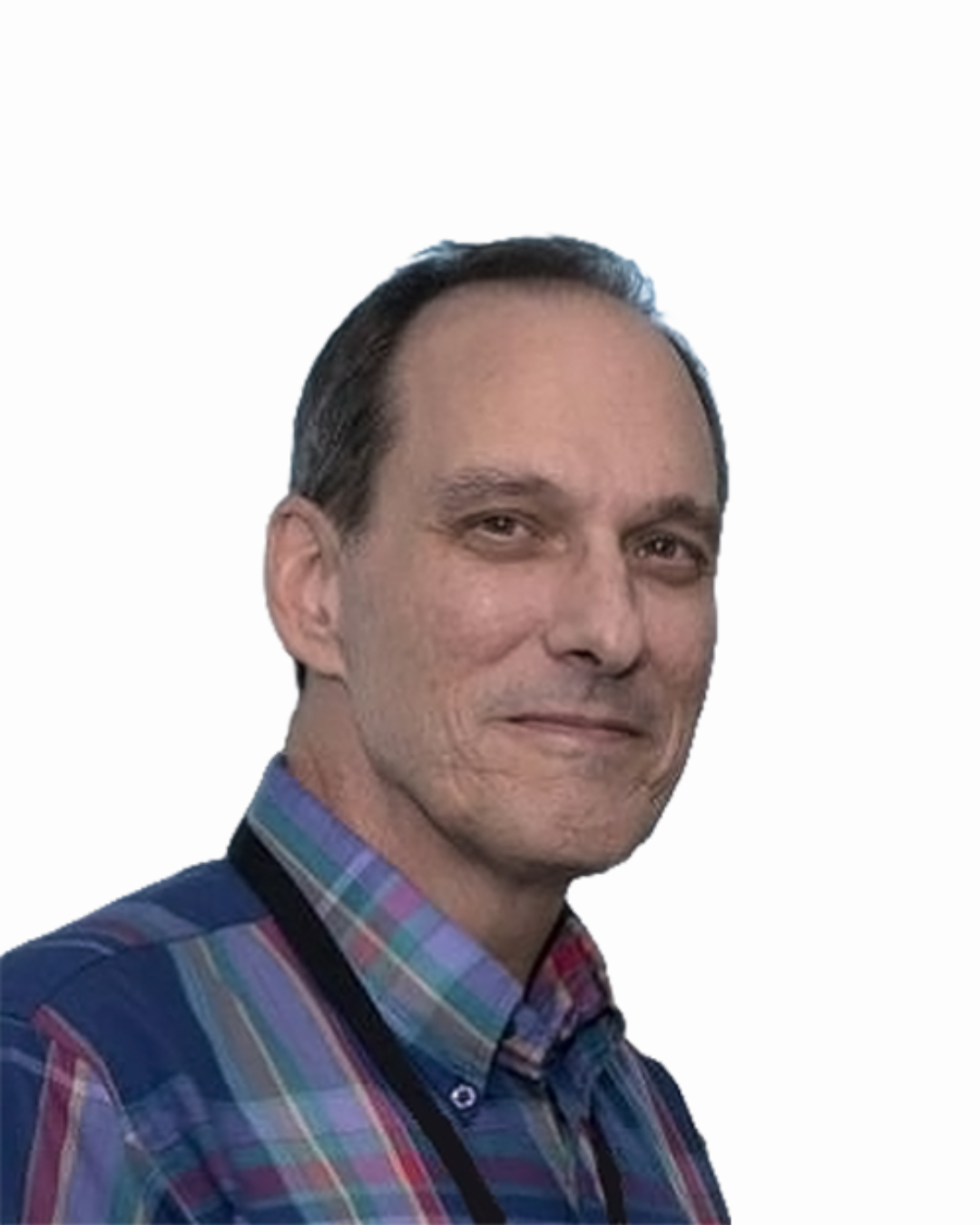
Timothy LUCE
-
Tim is the Division Director for Experimental Operations and interim Associate Laboratory Director for Engineering at the Princeton Plasma Physics Laboratory.
He has worked on 13 fusion experiments including the Wendelstein VII-AS and H-1 stellarators. After obtaining a Ph.D from Princeton University, he joined the DIII-D team at General Atomics, working on electron cyclotron heating and current drive, energy transport, and qualifying powerplant operating scenarios.
He then joined the ITER Organization as Head of Science, Controls, and Operations and Chief Scientist.
Returning recently to PPPL, his focus is bringing FLARE and NSTX-U through commissioning and into research operations.
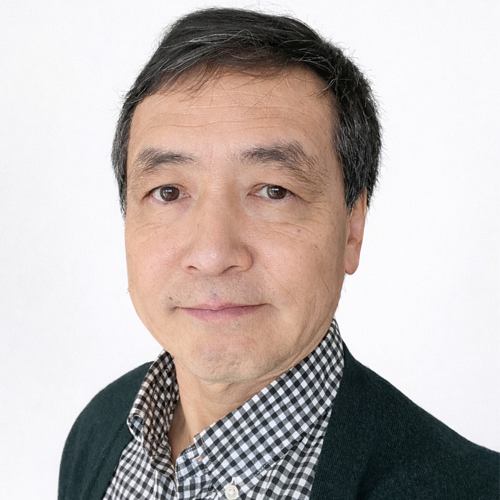
Kazunobu NAGASAKI
-
Kazunobu NAGASAKI(長﨑 百伸) obtained his Ph.D. in Engineering in 1992 at Kyoto University. He was a Research Associate at the Plasma Physics Laboratory at Kyoto University from 1991, then a Research Associate, Associate Professor, and eventually Professor (since 2007) at the Institute of Advanced Energy at Kyoto University. He was also a Guest Fellow at the Australian National University, a Guest Lecturer at Fukui University, and a Guest Professor at the National Institute for Fusion Science. His research spans the confinement, transport and stability of tokamak and stellarator/heliotron plasmas, the optimization of stellarators/heliotrons, electron cyclotron resonant heating (ECH) and current drive systems (ECCD) and their application to plasmas, and millimeter wave diagnostics such as radiometers, reflectometers and interferometers to measure electron density and temperature profiles and their fluctuations.
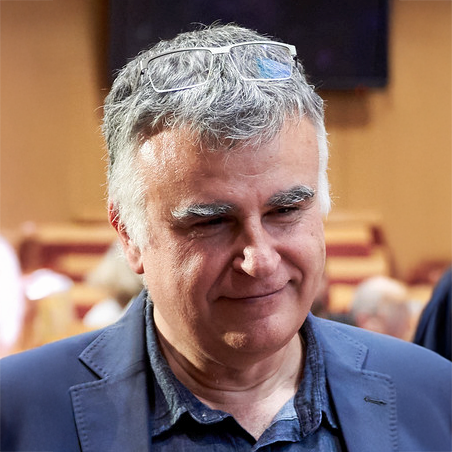
Raul SANCHEZ
-
Raul is a Professor of Physics at Universidad Carlos III de Madrid, Spain, where he also held several leadership positions, including Vice-Chancellor and Department Head. He is currently the local director of the Erasmus Mundus Master Program FUSION-EP. He contributed to the design and optimization of compact stellarators; developed widely used codes to model the MHD equilibrium (SIESTA, FLIPEC) and stability (COBRA) of three-dimensional configurations; he studied runaway electrons in tokamaks, and authored two books on plasma turbulence. He also explored advanced numerical methods for plasma simulation, including parallel techniques and SPH algorithms. Raul spent part of his career at the Oak Ridge National Laboratory (USA) as a post-doc (1998-99) and later as a senior staff member (2004-10), and was an Affiliate Professor at the University of Alaska Fairbanks (2006-20). Raul has been an ITER Research Fellow since 2016, a Fellow of the American Physical Society since 2017, and in 2009 received the Miguel Catalan Award in Sciences.
Liquid Metals experts
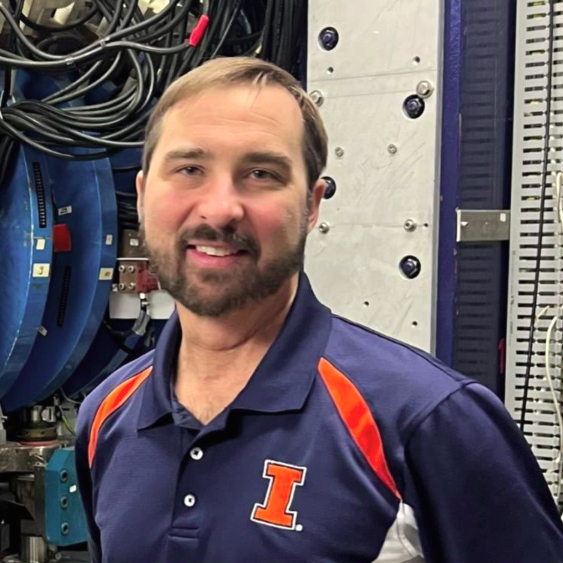
Daniel ANDRUCZYK
-
Daniel obtained his PhD in Plasma Physics from the University of Sydney, Australia.
He did his postdoctoral work at the Max-Planck Institute for Plasma Physics, Greifswald (2006-2009) where he did plasma diagnostics, heating and control systems and at the University of Illinois Urbana Champaign (2020-2011) doing liquid metal plasma material interactions and liquid metal technology development.
From 2012-2014 he was at Princeton Plasma Physics Laboratory (PPPL) doing liquid metal studies. In 2014 Daniel was part of the team to bring the former WEGA stellarator to the University of Illinois and renamed it HIDRA.
As a Research Assistant Professor, he became the PI running HIDRA and was promoted to Research Associate Professor in 2020. In 2021, he became the Director of the Master of Engineering in Plasma Engineering program. Daniel has extensive experience with liquid metal science, technology, and systems, in particular liquid lithium.
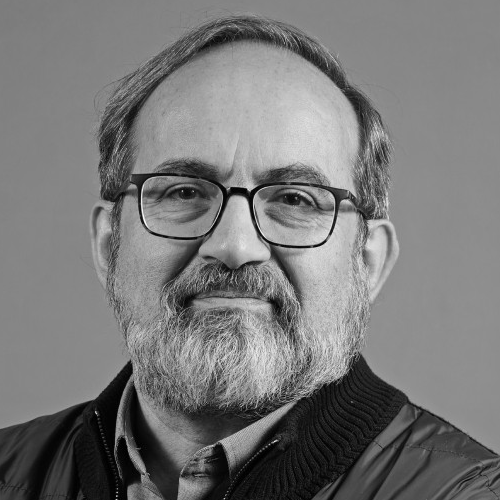
Angel IBARRA
-
Angel holds a PhD in Physics from the Universidad Autónoma de Madrid, and worked for more than 40 years on different technological challenges of fusion as an energy source, with emphasis on materials and their response to radiation. For over 15 years he led the Fusion Technologies Division of the National Fusion Laboratory of CIEMAT, and has been responsible for the Spanish participation in the IFMIF/EVEDA project in the framework of the Bilateral Agreement between Europe and Japan for the Broader Approach to Fusion, European coordinator of the Work Package of the Early Neutron Source (WPENS) for Fusion in the framework of the European Consortium EUROfusion. From 2021 to 2025 he has been the Director of the IFMIF-DONES España Consortium. He has published more than 250 papers and is a member of several national and international committees. He is currently retired and has been nominated Emeritus Research Professor at CIEMAT.
Sergey SMOLENSTEV
-
Sergey obtained his Ph.D. in Thermophysics from Leningrad Polytechnic University, and conducted postdoctoral research on instabilities in liquid metal MHD flows at Ben Gurion University of the Negev (Israel). From 1990, he was Assistant and Associate Professor at St. Petersburg Polytechnic University, then joined the University of California, Los Angeles (UCLA) in 1998 as a researcher. Sergey co-led numerous national and international liquid metal projects applied to fusion, including: the Advanced Power Extraction Study (APEX), the ITER Test Blanket Module, the Fusion Engineering System Studies/Fusion Nuclear Science Facility (FNSF) in the USA, as well as US-Japan and US-India collaborations. In collaboration with EUROfusion, he led the design and construction of the Magnetohydrodynamic PbLi Experiment (MaPLE) at UCLA. He is currently a Distinguished R&D Staff Member at the Oak Ridge National Laboratory (ORNL), working on breeding blankets, fuel cycle technologies, liquid-metal plasma-facing components, and computational tools for fusion cooling and breeding applications. Sergey serves as editor of the FLUIDS journal.
HTS experts
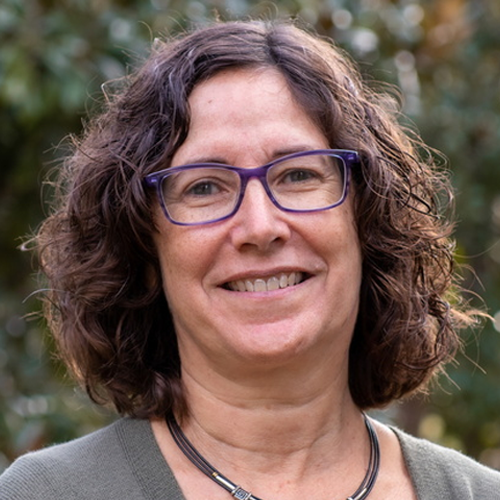
Teresa PUIG
-
Teresa is a Research Professor investigating superconductivity and high-temperature superconducting materials at the Institute of Materials Science of Barcelona (ICMAB). She holds a PhD in Physics from the Autonomous University of Barcelona. Teresa led more than 25 national and international projects, including an ERC Advanced Grant, authored over 380 scientific articles, 12 patents, supervised 30 doctoral theses, and co-founded the spin-off company Oxolutia. She coordinated a reference group with numerous international collaborations, including with CERN, the ALBA synchrotron, and leading companies in the sector. She has been a board member of the European Society for Applied Superconductivity, and currently coordinates the superconducting magnets area of the Spanish National Fusion Strategy.
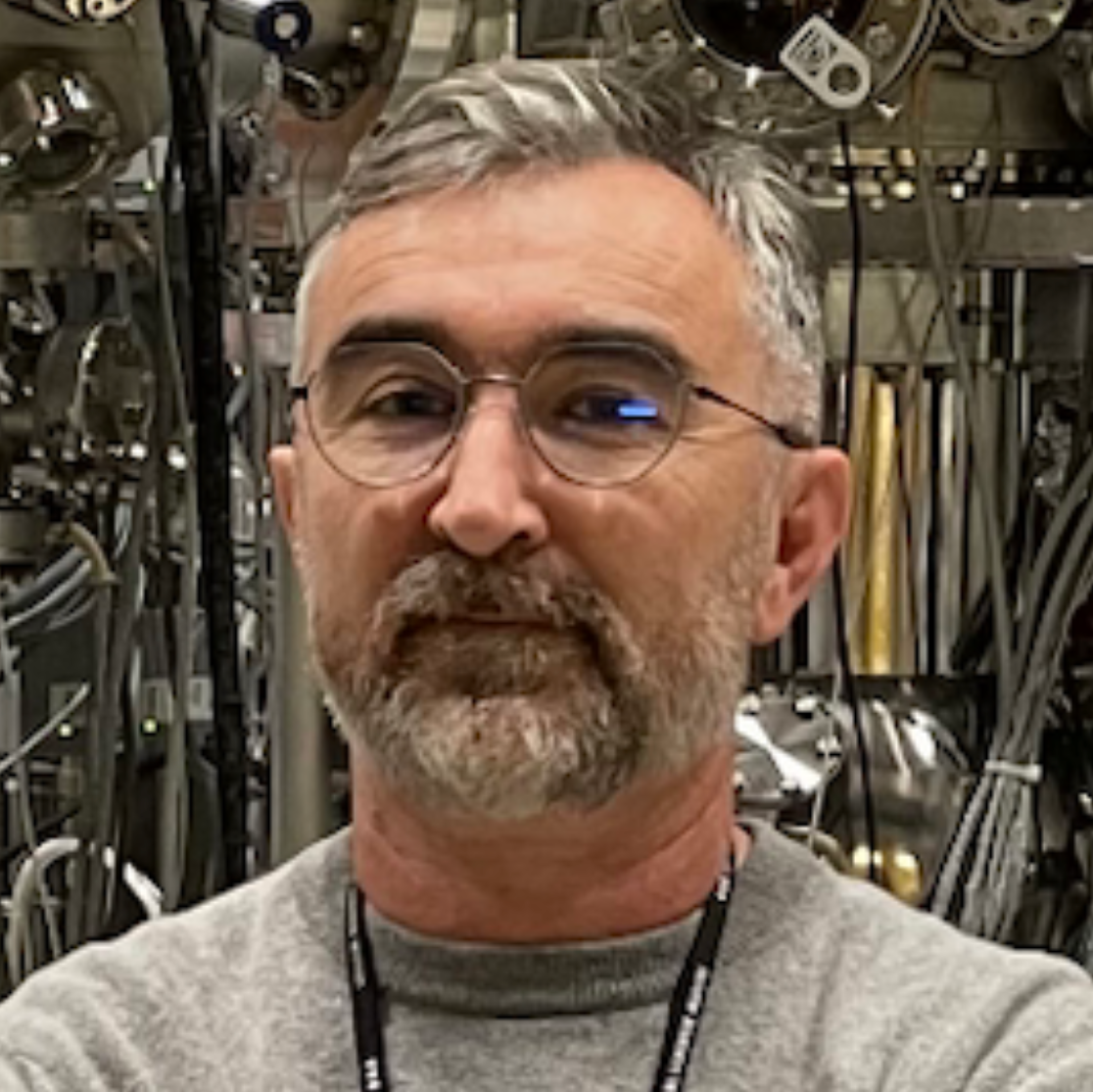
Milan RADOVIC
-
Milan is a senior scientist at the Paul Scherrer Institute (PSI), Switzerland, and an adjunct professor at the Technical University of Denmark (DTU). He leads research on quantum materials with a focus on emergent phenomena in oxide heterostructures. His work explores electronic and magnetic properties at reduced dimensionality and interfaces, including interfacial superconductivity, magnetism, and low-dimensional electronic systems. He currently leads the development of the QUEST beamline, dedicated to unifying materials design and advanced spectroscopy at the Swiss Light Source 2.0.
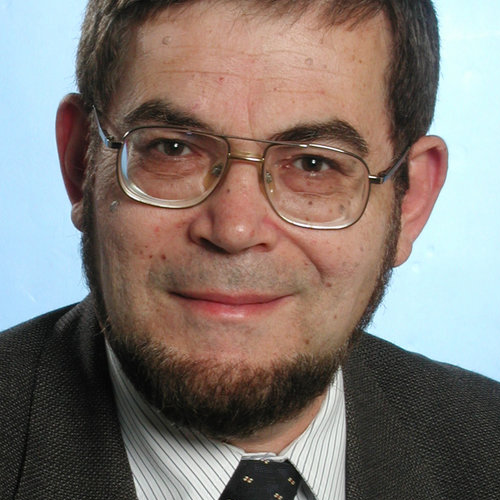
Alexander USOSKIN
-
Alexander’s current research interests include the development of consistent methods for processing large-area REBCO coated tapes on an industrial scale, and the investigation of mechanisms responsible for current interchange between the superconductors and normal-metals in the conductor structure. His other interests involve studying film-growth mechanisms, mechanisms of formation of laser-induced surface morphologies, and the optics of semiconductor-based composites. He has 35-year experience in the development of HTS film technologies and authored about 350 publications and 80 patents.

Want to work alongside our inspiring STAC?
Join our team of 100 bold doers and builders!